Most sleep advice is too shallow to actually help.
We’re told to “get 8 hours”, avoid caffeine, and switch screens off — but that framing misses what actually governs recovery, nervous system regulation, and metabolic health.
In this Journal Club discussion, we explored something far more fundamental:
???? The brain doesn’t just need sleep — it needs predictability.
Regular sleep and wake times often matter more than total duration.
Not because of discipline… but because your brain is constantly trying to predict when to shift hormones, immune activity, autonomic balance, and energy availability.
When rhythm is inconsistent, the system makes more errors.
Errors cost energy.
And over time, that shows up as poor sleep, unstable mood, blood sugar issues, fatigue, and stress intolerance.
We also went deeper into areas that rarely get discussed together:
-
Why light at night alters sympathetic tone and next-day insulin sensitivity
-
Why hospitals are one of the worst sleep environments imaginable (by design)
-
How attachment dynamics and relationship safety affect sleep onset
-
Why scent and sensory cues can meaningfully shape sleep architecture
-
How the nervous system learns when it’s safe enough to rest
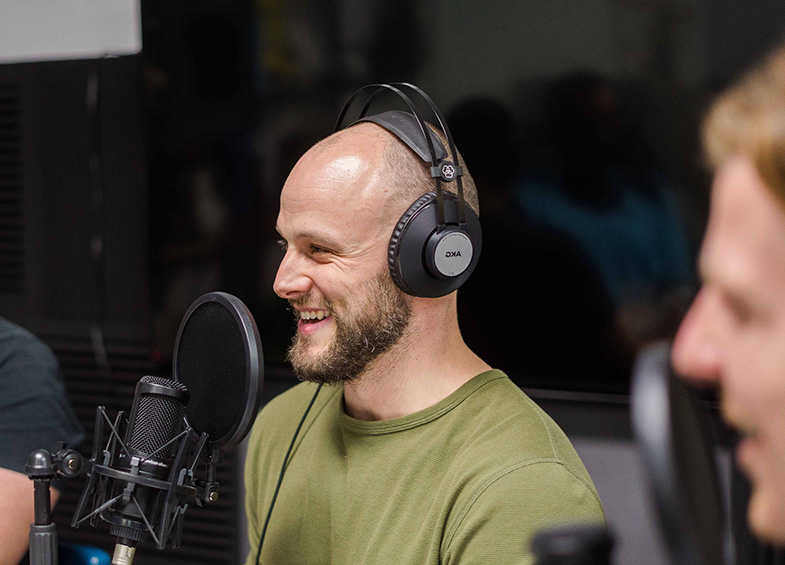
What you’re about to watch isn’t a lecture — it’s an unscripted, real-time scientific conversation between clinicians, coaches, and practitioners thinking through physiology together.
If you work with stress, performance, recovery, or sleep — or if you simply want a more intelligent model of how the body actually recovers — this will likely shift how you think.
And if you want the full 60-minute discussion, it’s available inside the Mastery area of the community.
Watch the clips with this question in mind:
“What signals does my brain use to decide when it’s safe to rest?”
Let’s dive in.