Hi everyone,
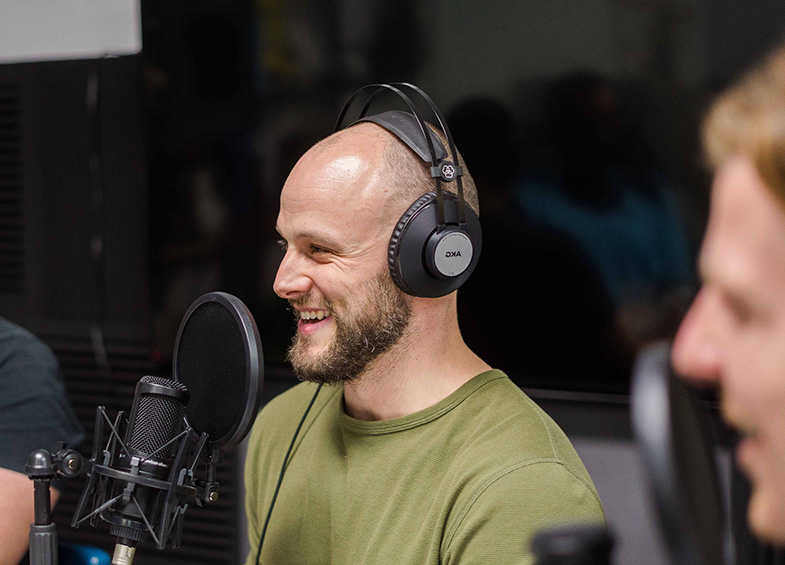
I was recently invited onto a podcast to take a deep dive into breathing, respiratory physiology, CO₂ regulation, performance, stress, and sleep.
In the episode, we explore why breathing is far more complex than most people realise, and why a lot of common conversations around breathwork can become oversimplified.
We also discuss how my clinical and research background shaped the way I think about breath science, and how the breathwork space changed during COVID with the rise of people like Wim Hof and James Nestor.
Some of the key topics we cover include:
-
Why respiratory physiology is complex
-
How allostatic load influences whether a breathing practice is helpful or harmful
-
Why high-stress practices like aggressive hyperventilation or cold exposure can backfire when someone is already running hot
-
The difference between genuine nervous system relaxation and dissociation
-
Inspiratory muscle training for performance and recovery
-
Why respiratory rate is one of the most sensitive markers of stress
-
Why I think the term “CO₂ tolerance” is often misunderstood
-
Nasal breathing trade-offs
-
HRV, testing limits, and breathing under load
-
The risks and current limitations around inhaled CO₂ therapies
-
How fear, state encoding, and interoceptive learning relate to breathing
This was a really enjoyable conversation because we were able to go beyond simple techniques and get into the deeper physiology, psychology, and real-world application of breath science.
Would love to hear your thoughts if you get a chance to listen.
Martin